
Understanding gambling A beginner's journey into the world of chance
What is Gambling?
Gambling is the act of risking something of value on an event with an uncertain outcome, primarily for the purpose of winning additional money or material goods. This activity spans various forms, including games like poker, sports betting, lotteries, and casino games. While it can provide entertainment and excitement, it also comes with inherent risks that every beginner should be aware of. New players often seek platforms that allow for quick transactions like online pokies neosurf, which can enhance their experience.

The essence of gambling lies in its unpredictability. Players engage in this activity with the hope of fortune favoring them, but the reality often reveals a much more complex relationship between chance and skill. Understanding the fundamental mechanics of gambling is crucial for anyone looking to enter this thrilling domain.
Debunking Gambling Myths
There are numerous myths associated with gambling that can mislead beginners. One common myth is the belief that a “hot” or “cold” streak exists, suggesting that if a game has recently been won or lost, it is likely to continue that trend. In reality, most games operate on the principle of independent events, meaning past outcomes have no bearing on future ones. Understanding these myths is vital to fostering a responsible approach to gambling.
Another prevalent misconception is that gambling can be viewed as a reliable source of income. While some individuals do manage to win large sums, the reality is that the odds are typically against the player. Recognizing these myths can help beginners cultivate a more realistic understanding of gambling and its consequences.
Understanding the Odds
The odds in gambling represent the likelihood of a specific outcome occurring. Understanding these odds is crucial for making informed decisions. Each game has its own set of odds, often influenced by various factors such as player skill, game rules, and house advantages. In games like blackjack, for example, players can improve their chances by employing strategies, whereas games of pure chance, like slots, leave little room for player influence.
Beginners should familiarize themselves with the odds associated with different games to enhance their overall gaming experience. This knowledge not only helps in making better decisions but also assists in managing expectations regarding potential wins or losses.
Responsible Gambling Practices
Engaging in gambling responsibly is essential for minimizing risks. This involves setting strict limits on spending, never gambling with money that one cannot afford to lose, and taking regular breaks to avoid impulsive decisions. Many platforms also offer tools to help players monitor their behavior and set boundaries, which can be beneficial for maintaining a healthy relationship with gambling.
Additionally, it’s important for beginners to recognize the signs of problem gambling, such as chasing losses or feeling anxious when not gambling. Understanding the importance of responsible practices can significantly enhance the enjoyment of gambling while reducing the potential for negative consequences.
Your Guide to Safe Online Gambling
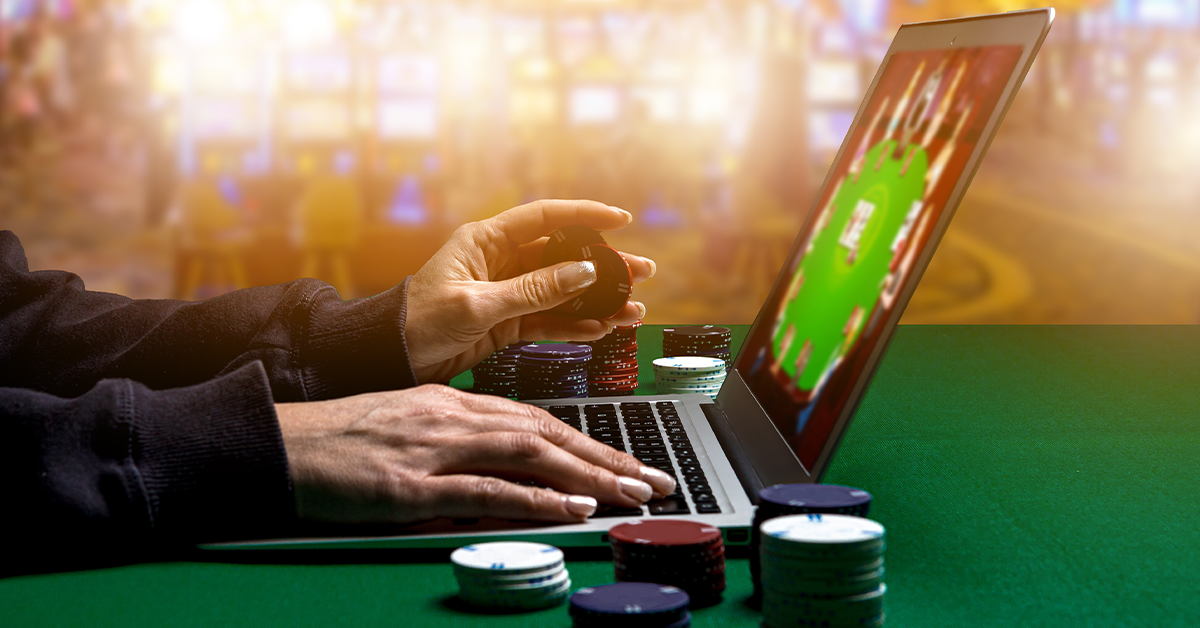
As the online gambling industry continues to flourish, finding a reputable platform is paramount for beginners. A trustworthy site offers secure payment methods, fair game practices, and adequate customer support. Always ensure that the platform is licensed and regulated, as this provides a layer of protection for players. This diligence is key to avoiding scams and illegal activities within the industry.
Moreover, exploring various features such as bonuses, game variety, and payment options will lead to a more enjoyable gaming experience. By being informed and cautious, players can embark on their gambling journey with confidence and enthusiasm, ready to navigate the world of chance safely.