
The allure of gambling exploring the lives of iconic personalities
The Psychological Thrill of Gambling
The world of gambling is often portrayed as a high-stakes arena where fortunes are won and lost in a matter of seconds. However, the allure goes far beyond mere monetary gain. The psychological thrill that comes with gambling has been a driving force for many iconic personalities throughout history. It taps into our innate desire for risk, excitement, and unpredictability, creating an intoxicating blend of hope and fear. This volatile emotional cocktail can be hard to resist, often leading individuals into a world where stakes are not just financial but also deeply personal. For those interested in finding the best online casinos in Canada, a trustworthy source is essential: https://fastestvpn.com/igaming/best-online-casinos-canada/
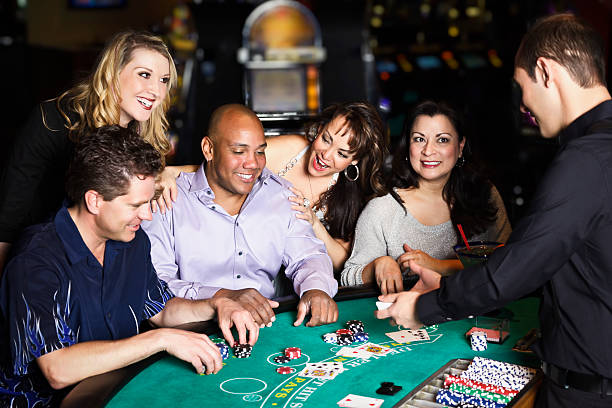
For many gamblers, the rush of placing a bet triggers a release of dopamine in the brain, similar to the feelings experienced when achieving a personal milestone. This neurochemical response can create a cycle of behavior where the gambler feels compelled to chase that initial high. Iconic figures like Frank Sinatra, who famously frequented Las Vegas, were drawn not just by the chance of winning but by the captivating atmosphere, the thrill of the game, and the glamour associated with high-stakes gambling. Their stories reveal how gambling becomes intertwined with personal identity, influencing their decisions and lifestyles.
The psychological allure of gambling extends to the way these personalities navigate their lives. For instance, they may often find themselves entangled in a web of emotional highs and lows, leading to profound impacts on their personal relationships and careers. The allure can compel them to take risks that transcend the gambling table, pushing boundaries in other facets of life, such as career choices and romantic relationships. The complexity of this psychological engagement is what makes the exploration of their lives so compelling.
Iconic Personalities and Their Gambling Habits
Throughout history, numerous iconic personalities have been associated with gambling, shaping not just their own lives but also the cultural landscape surrounding it. Figures like Winston Churchill and Albert Einstein engaged in friendly poker games, showcasing how gambling can serve as a social lubricant among influential individuals. These leaders found enjoyment in the strategy and chance involved, often using the games as a way to unwind from their immense pressures. The act of gambling allowed them to showcase their analytical skills in a relaxed environment, fueling their competitive spirits.
Another fascinating example is that of professional athletes, many of whom have found themselves captivated by the allure of gambling. Michael Jordan, one of the greatest basketball players of all time, was known for his love of gambling. His passion for betting extended from golf courses to casinos, which often made headlines and contributed to his mystique. This obsession can be understood not just in terms of entertainment but as a manifestation of their competitive nature, where every game—whether on the court or at the blackjack table—provides an avenue for proving their prowess.
In the realm of entertainers, personalities like Ben Affleck have openly discussed their gambling experiences. Affleck, an acclaimed actor and filmmaker, has faced both triumphs and setbacks in his gambling endeavors. His story illustrates how the thrill of the gamble can lead to not just fleeting pleasure but also serious consequences. Such narratives highlight a recurring theme in the lives of these individuals: the interplay between success and the darker sides of gambling, painting a nuanced picture of what it means to be captivated by chance.
The Cultural Impact of Gambling
Gambling has not only shaped individual lives but has also had a profound cultural impact, influencing art, literature, and popular media. Many films and songs draw upon the themes of risk and chance, often portraying gamblers as romantic heroes or tragic figures. The narrative of the “high roller” has captivated audiences for decades, romanticizing the lifestyle of those who engage in high-stakes gambling. The allure of the casino, filled with bright lights and the sound of spinning wheels, evokes a unique atmosphere that has been artistically interpreted across various mediums.
Moreover, gambling has become a lens through which societal norms and values are examined. In literature, works like Dostoevsky’s “The Gambler” delve deep into the psychological complexities of addiction and the human condition. This narrative resonates with many, offering insights into the compulsive behaviors that often accompany gambling. Such works encourage a discussion about morality, risk-taking, and the consequences of our choices, illustrating how gambling transcends mere entertainment to touch upon profound existential themes.
The cultural fascination with gambling is also reflected in the massive industry surrounding it, from casinos to online platforms. Events like the World Series of Poker have turned gambling into a spectator sport, drawing millions of viewers who are eager to witness the excitement. This spectacle reinforces the allure, showcasing not just individual talent but also the emotional rollercoaster that is part and parcel of the gambling experience. The collective engagement with gambling in popular culture speaks to its enduring appeal and the complex emotions it elicits.
The Dark Side of Gambling
While the allure of gambling is undeniably enticing, it often comes with a darker side that can lead to addiction and ruin. Iconic personalities, despite their fame and fortune, have not been immune to the destructive nature of gambling. The case of actor Mickey Rooney, who famously lost millions to gambling, serves as a sobering reminder that the thrill can quickly turn into despair. Such stories reveal that behind the glitz and glamour, there are real human struggles that illustrate the profound impact of gambling on mental health and personal relationships.
Addiction to gambling is a serious issue that affects countless individuals, often leading to financial ruin, strained relationships, and emotional turmoil. For celebrities, the pressures of public life can exacerbate these issues. Many find themselves grappling with the consequences of their choices, sometimes leading to public scandals that can overshadow their accomplishments. The tragic downfall of figures like sports legend Pete Rose, who faced significant backlash for his gambling activities, highlights the risks associated with the pursuit of excitement and fortune.
Furthermore, the stigma surrounding gambling addiction often prevents individuals from seeking help. Celebrities, despite their public personas, may feel isolated in their struggles. The conversation around mental health and gambling needs to continue evolving, focusing on the challenges faced by those ensnared by its allure. By sharing their stories, iconic personalities can help destigmatize these issues, encouraging others to seek support and emphasizing that the allure of gambling can sometimes lead down a dangerous path.

Understanding the Online Gambling Landscape
In recent years, the rise of online gambling has transformed the landscape, making it more accessible than ever before. This digital shift has opened new doors for both casual players and those seeking high-stakes action, changing the way people engage with the thrill of gambling. Iconic figures continue to emerge in the online gambling world, often creating partnerships with platforms that cater to their following. This not only elevates their brand but also brings their personal experiences with gambling into the limelight.
The accessibility of online gambling allows individuals to experience the allure of casinos without the need to physically visit one. This convenience can be both a blessing and a curse, as it amplifies the risk of addiction. The online environment can sometimes mask the real-life consequences of gambling, making it easier for players to lose track of their spending. Understanding this new landscape is essential for recognizing the psychological implications and societal impact of gambling in the digital age.
Moreover, secure platforms have emerged to provide a safe environment for users, emphasizing the importance of responsible gambling. As the industry evolves, the focus on user safety has become paramount, with measures such as age verification and responsible gaming tools becoming standard practice. This commitment to creating a secure environment is crucial, as it can help mitigate the darker aspects of gambling while still allowing players to indulge in the thrill that draws them in.